By Team Hawaii Real Estate
Walk down Kuhio Avenue on any given evening, and you'll see the same thing we've watched for years: a steady stream of visitors who keep Waikiki's rental demand remarkably consistent. That tourism engine, paired with a fixed amount of land between the Ala Wai Canal and the ocean, is the quiet reason Waikiki condos have held their value through cycle after cycle. We work with investors who want an asset that earns its keep and still feels like Hawaii. A Waikiki condo can do both, as long as you buy the right one.
Key Takeaways
- Waikiki's tourism-driven rental demand and limited land supply support steady long-term values
- Land tenure matters: confirm whether a unit is fee simple or leasehold before you commit
- Honolulu's short-term rental rules shape which buildings can legally host visitor stays, so most investors plan around long-term tenancy
- Carrying costs like AOAO fees, Residential A property taxes, and salt-air maintenance belong in every realistic projection
Why Waikiki Holds Its Value
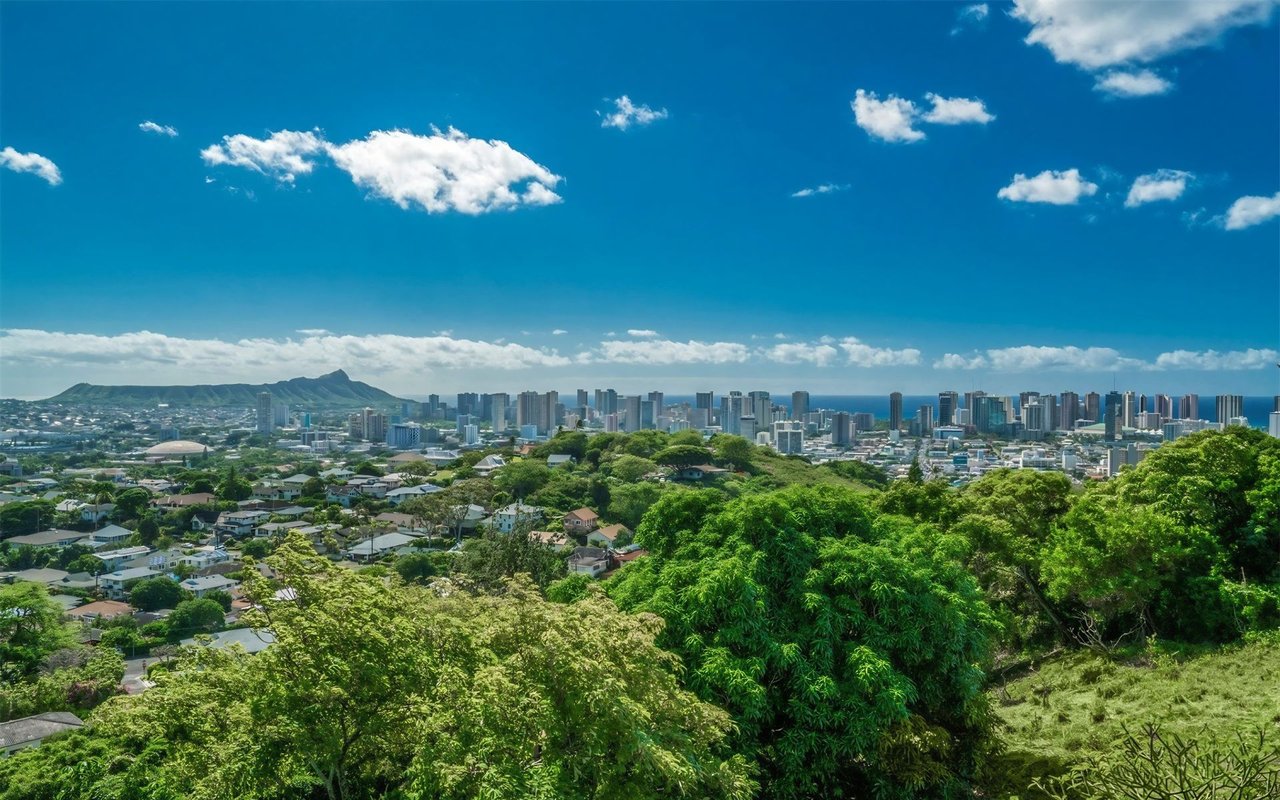
Waikiki sits on a narrow, fully built-out strip between the Ala Wai Canal and the Pacific, which means no one is making more of it. That scarcity, paired with one of the most recognized visitor destinations in the world, keeps demand for well-located units durable even when the broader market softens.
What underpins long-term demand here
- Tourism anchor: Year-round visitor traffic near Waikiki Beach and the International Marketplace keeps rental interest steady in a way few mainland markets match
- Fixed supply: The neighborhood is hemmed in by the canal and the shoreline, so new inventory is rare and existing units stay in demand
- Walkable lifestyle: Restaurants, shopping, and the beach within a few blocks make units easy to rent and easy to resell
- Global buyer pool: Waikiki draws mainland and international interest, which broadens your eventual resale audience
Fee Simple vs. Leasehold: Get This Right First
The single biggest mistake we see new Waikiki investors make is assuming every listing is fee simple. Many older resort-era buildings and condo-hotel conversions are leasehold, where you own the unit but not the land, and that changes the math entirely. A lower sticker price often signals a leasehold with a finite term, so the lease details deserve as much attention as the purchase price.
What to verify before you write an offer
- Land tenure: Confirm in writing whether the unit is fee simple or leasehold, since roughly 98 percent of Hawaii real estate is fee simple and leasehold behaves very differently
- Lease specifics: For leasehold units, check the expiration date, the current ground rent, and any scheduled increases or renewal language
- Financing impact: Lenders treat short remaining lease terms cautiously, which can affect your down payment, your rate, and your resale pool
- Long-term fit: Fee simple, or a leasehold with a long and clearly defined term, tends to suit a buy-and-hold strategy best
Planning Around Honolulu's Rental Rules
Because Hawaii's economy runs on tourism, the City and County of Honolulu regulates short-term rentals closely, and that directly affects how you can use a Waikiki condo. Stays under 30 days are generally limited to specific resort-zoned or mapped apartment areas, and new nonconforming use certificates aren't being issued. For most of the investors we represent, that means underwriting the deal as a long-term hold first, with any legal short-term use treated as upside rather than the base case.
How investors approach rental strategy
- Long-term default: Underwrite the property on long-term rent, which avoids reliance on permits that may not transfer or renew
- Zone and building check: Confirm both the city's zoning and the building's AOAO rules before assuming any short-term rental is allowed
- Rent context: Oahu condo rents have generally supported steady cash flow, with the resale median sitting near $500,000 in early 2026
- Documentation: Keep written confirmation of any rental rights, since verbal assurances rarely hold up at resale
Budgeting for the Real Cost of Ownership
A Waikiki condo's headline price is only the start, and the investors who do well here are the ones who plan for the full carrying cost. The ocean environment and high-rise living both add line items that mainland investors sometimes overlook. We'd rather walk a client through a realistic projection up front than watch the numbers surprise them after closing.
Costs to build into your projection
- AOAO fees: Monthly association dues are often the largest recurring expense and can include utilities, so weigh them against what's covered
- Property taxes: Non-owner-occupied units may fall under Honolulu's Residential A classification, which carries higher rates than owner-occupied homes
- Maintenance reserves: Salt air accelerates wear, so many investors set aside a meaningful share of rent for upkeep and future capital projects
- Insurance: Walls-in (HO-6) coverage plus landlord liability, and sometimes hurricane or flood endorsements, all factor into the annual budget
FAQs
Is a Waikiki condo still a good long-term investment in 2026?
We think so, for the right buyer. The combination of fixed land, global visitor demand, and a walkable beachfront location continues to support values, but returns depend heavily on choosing a unit with sound land tenure and manageable carrying costs.
Should I avoid leasehold condos in Waikiki entirely?
Not necessarily, but go in with your eyes open. A leasehold with a long remaining term and clear renewal language can work for some plans, while a short lease introduces financing and resale risk, so we always review the lease details with you before you commit.
Can I rent my Waikiki condo to visitors short-term?
Only in specific cases. Honolulu limits stays under 30 days to certain resort and apartment zones, and the building's own rules matter too, so we confirm both before anyone counts on short-term income.
Reach Out to Team Hawaii Real Estate Today
A Waikiki condo can be one of the more resilient long-term holds in Hawaii real estate, but the difference between a strong investment and an expensive lesson usually comes down to the details. As local experts, we read the leases, run the carrying costs, and check the rental rules before we ever recommend a building.
If you're weighing a Waikiki purchase or comparing it against other Oahu opportunities, reach out to us at Team Hawaii Real Estate. We'll help you find a unit that fits your goals and holds its value for years to come.