By Team Hawaii Real Estate
Luxury home design in Hawaii has always been about more than aesthetics—it’s about harmony with the land, comfort without excess, and creating spaces that enhance everyday living. As we move toward 2026, luxury design is evolving in thoughtful, intentional ways.
At Team Hawaii Real Estate, we’re seeing buyers place greater value on craftsmanship, sustainability, wellness, and architectural authenticity rather than trend-driven finishes alone.
From oceanfront estates in Kahala and Kailua to contemporary residences in Kakaʻako and resort homes in Wailea and Princeville, these are the luxury home design trends shaping Hawaii real estate in 2026.
Indoor-Outdoor Living Becomes Seamless, Not Symbolic
Indoor-outdoor living is no longer a feature—it’s an expectation. In 2026, luxury homes in Hawaii are designed so that the boundary between interior and exterior nearly disappears.
We’re seeing expansive pocketing glass walls, retractable lanais, and flush floor transitions that allow ocean breezes to move freely through the home. Covered outdoor living areas are being designed with the same level of detail as interiors, featuring full kitchens, custom cabinetry, fire elements, and integrated lighting.
In neighborhoods like Lanikai, Hawaiʻi Kai, and Kapalua, homes that truly embrace indoor-outdoor flow continue to command premium interest. Buyers are looking for spaces that feel effortless and livable year-round, not staged or seasonal.
We’re seeing expansive pocketing glass walls, retractable lanais, and flush floor transitions that allow ocean breezes to move freely through the home. Covered outdoor living areas are being designed with the same level of detail as interiors, featuring full kitchens, custom cabinetry, fire elements, and integrated lighting.
In neighborhoods like Lanikai, Hawaiʻi Kai, and Kapalua, homes that truly embrace indoor-outdoor flow continue to command premium interest. Buyers are looking for spaces that feel effortless and livable year-round, not staged or seasonal.
Architecture That Responds to Place
Luxury buyers in 2026 are prioritizing architecture that feels authentic to Hawaii. Plantation-style influences, modern island architecture, and updated mid-century designs are gaining renewed appreciation—especially when paired with contemporary materials and layouts.
Rather than importing mainland styles, today’s luxury homes emphasize rooflines that manage sun exposure, deep overhangs for shade, and thoughtful orientation for airflow. In custom homes across Oʻahu’s Gold Coast and Maui’s Upcountry, architectural decisions are increasingly driven by climate, views, and privacy.
Homes that feel grounded in place—rather than imposed upon it—are resonating most strongly with discerning buyers.
Rather than importing mainland styles, today’s luxury homes emphasize rooflines that manage sun exposure, deep overhangs for shade, and thoughtful orientation for airflow. In custom homes across Oʻahu’s Gold Coast and Maui’s Upcountry, architectural decisions are increasingly driven by climate, views, and privacy.
Homes that feel grounded in place—rather than imposed upon it—are resonating most strongly with discerning buyers.
Natural Materials and Quiet Luxury Finishes
The era of overt opulence is fading. In its place, 2026 luxury design embraces understated elegance. Buyers are gravitating toward natural materials that age gracefully and feel tactile.
Wide-plank hardwood floors, limestone and travertine, natural plaster walls, and custom millwork are replacing glossy finishes and high-contrast palettes. Color schemes lean warm and neutral, inspired by sand, lava stone, ocean hues, and native foliage.
This approach to “quiet luxury” is especially appealing in Hawaii, where homes are meant to feel restorative. Properties that incorporate these elements tend to photograph beautifully and maintain long-term appeal.
Wide-plank hardwood floors, limestone and travertine, natural plaster walls, and custom millwork are replacing glossy finishes and high-contrast palettes. Color schemes lean warm and neutral, inspired by sand, lava stone, ocean hues, and native foliage.
This approach to “quiet luxury” is especially appealing in Hawaii, where homes are meant to feel restorative. Properties that incorporate these elements tend to photograph beautifully and maintain long-term appeal.
Wellness-Centered Home Design
Wellness is no longer confined to spas or resorts—it’s embedded into luxury home design for 2026. Buyers are seeking homes that support both physical and mental well-being. Features such as dedicated yoga or meditation rooms, spa-inspired bathrooms, outdoor showers, and cold plunge pools are increasingly common. Natural light, sound control, and air quality are also top priorities.
In Hawaii, wellness design often extends outdoors, with garden paths, zen courtyards, and water features that create a sense of calm. Homes that support daily wellness routines are proving especially attractive to buyers relocating from high-density urban markets.
In Hawaii, wellness design often extends outdoors, with garden paths, zen courtyards, and water features that create a sense of calm. Homes that support daily wellness routines are proving especially attractive to buyers relocating from high-density urban markets.
Smart Homes That Feel Invisible
Technology continues to shape luxury design, but in 2026, the emphasis is on seamless integration rather than visible gadgets.
Luxury buyers expect smart lighting, climate control, security, and audio systems—but they want them to function intuitively and discreetly. Control panels are hidden, systems are app-driven, and automation enhances comfort without dominating the design.
In newer luxury developments in Kakaʻako and custom homes across Ko Olina, smart home infrastructure is now considered standard. Properties that balance advanced technology with clean, timeless design are standing out in the market.
Luxury buyers expect smart lighting, climate control, security, and audio systems—but they want them to function intuitively and discreetly. Control panels are hidden, systems are app-driven, and automation enhances comfort without dominating the design.
In newer luxury developments in Kakaʻako and custom homes across Ko Olina, smart home infrastructure is now considered standard. Properties that balance advanced technology with clean, timeless design are standing out in the market.
Sustainability as a Standard, Not a Selling Point
Sustainability has fully entered the luxury mainstream. In 2026, energy efficiency and environmental responsibility are expected—not optional.
Solar systems with battery storage, energy-efficient appliances, low-impact building materials, and water conservation systems are becoming baseline features in luxury homes. Buyers are also increasingly aware of long-term operating costs and resilience, especially in coastal and hillside properties.
In Hawaii, sustainable design isn’t just about values—it’s about practicality. Homes that are designed to reduce energy use while maintaining comfort are better positioned for long-term ownership and resale.
Solar systems with battery storage, energy-efficient appliances, low-impact building materials, and water conservation systems are becoming baseline features in luxury homes. Buyers are also increasingly aware of long-term operating costs and resilience, especially in coastal and hillside properties.
In Hawaii, sustainable design isn’t just about values—it’s about practicality. Homes that are designed to reduce energy use while maintaining comfort are better positioned for long-term ownership and resale.
Kitchens Designed for Living, Not Display
Luxury kitchens in 2026 are warm, functional, and integrated into the home’s overall flow. Oversized islands remain popular, but they’re being paired with hidden prep kitchens or sculleries that keep entertaining spaces uncluttered.
Natural stone countertops, custom cabinetry, and professional-grade appliances remain important, but layout and usability matter more than brand recognition. Kitchens that open to lanais or outdoor dining areas are especially appealing in Hawaii’s year-round climate.
At Team Hawaii Real Estate, we consistently see strong buyer response to kitchens that feel inviting and livable rather than overly formal.
Natural stone countertops, custom cabinetry, and professional-grade appliances remain important, but layout and usability matter more than brand recognition. Kitchens that open to lanais or outdoor dining areas are especially appealing in Hawaii’s year-round climate.
At Team Hawaii Real Estate, we consistently see strong buyer response to kitchens that feel inviting and livable rather than overly formal.
Bathrooms That Feel Like Private Retreats
Primary bathrooms are evolving into personal sanctuaries. In 2026, luxury bathrooms emphasize space, light, and simplicity.
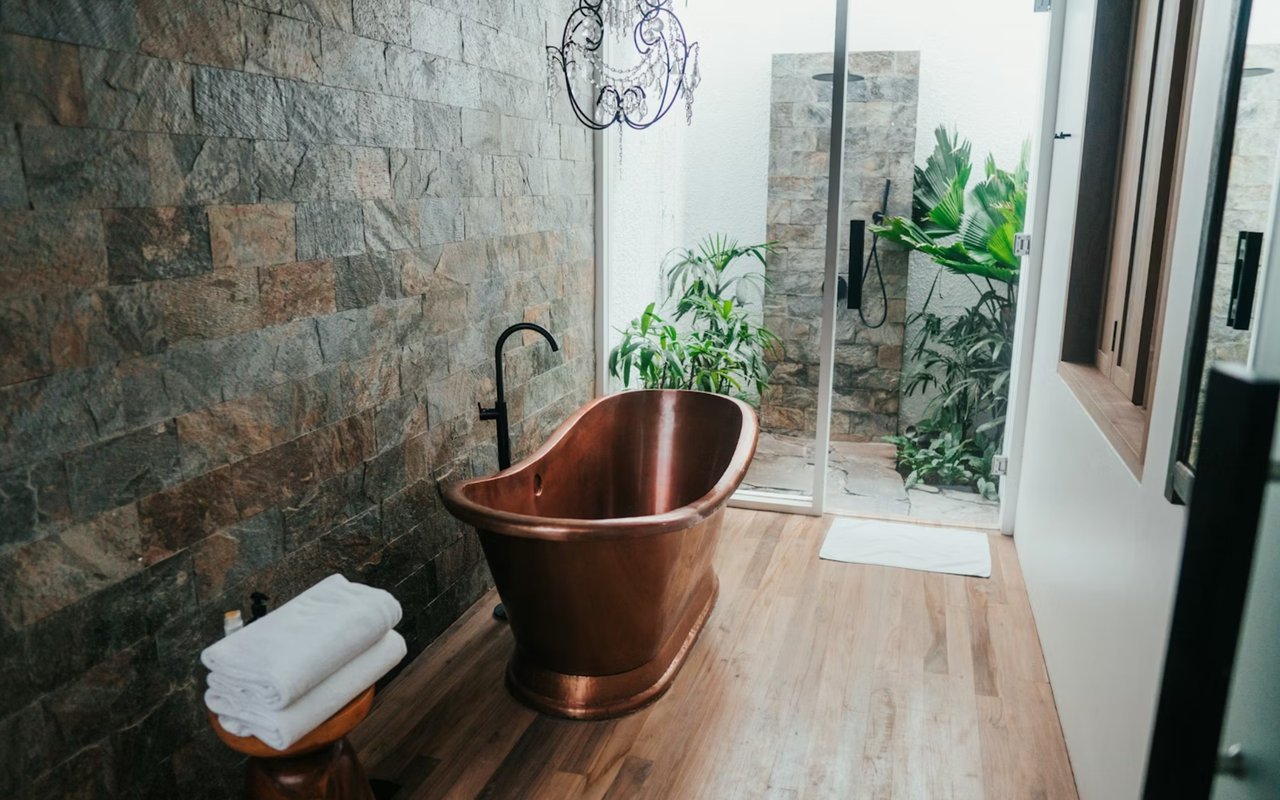
Freestanding soaking tubs, walk-in showers with natural stone, and minimalist fixtures dominate design preferences. Outdoor garden showers and courtyard-facing bath spaces are increasingly sought after in luxury island homes.
These spa-like environments contribute significantly to a home’s perceived value and daily enjoyment.
Freestanding soaking tubs, walk-in showers with natural stone, and minimalist fixtures dominate design preferences. Outdoor garden showers and courtyard-facing bath spaces are increasingly sought after in luxury island homes.
These spa-like environments contribute significantly to a home’s perceived value and daily enjoyment.
Design That Supports Multigenerational Living
As families think long-term, luxury homes in 2026 are being designed with flexibility in mind. Separate guest suites, ohana units, and adaptable floor plans allow homes to evolve with changing needs.
In Hawaii, where family connections and extended stays are common, this flexibility is especially valuable. Homes that offer privacy without separation appeal to a wide range of buyers, from local families to second-home owners.
In Hawaii, where family connections and extended stays are common, this flexibility is especially valuable. Homes that offer privacy without separation appeal to a wide range of buyers, from local families to second-home owners.
Frequently Asked Questions
Are luxury design trends the same across all Hawaii islands?
No. While core principles are consistent, design details often reflect each island’s climate, culture, and lifestyle.
Do design trends really affect resale value?
Yes. Timeless design, natural materials, and functional layouts consistently outperform trend-heavy finishes.
Is new construction always better for luxury buyers?
Not necessarily. Well-renovated homes with strong architectural foundations can be just as desirable.
How important is sustainability in luxury homes now?
Extremely important. Buyers increasingly expect efficiency and resilience as part of luxury.
Luxury home design is evolving, and understanding what buyers value in 2026 can make a meaningful difference—whether you’re buying, selling, or building. At Team Hawaii Real Estate, we combine market insight with a deep understanding of island living to help our clients make confident, future-focused decisions. Explore Hawaii luxury real estate guided by experience, strategy, and local expertise with Team Hawaii.
Luxury home design is evolving, and understanding what buyers value in 2026 can make a meaningful difference—whether you’re buying, selling, or building. At Team Hawaii Real Estate, we combine market insight with a deep understanding of island living to help our clients make confident, future-focused decisions. Explore Hawaii luxury real estate guided by experience, strategy, and local expertise with Team Hawaii.