By Team Hawaii Real Estate
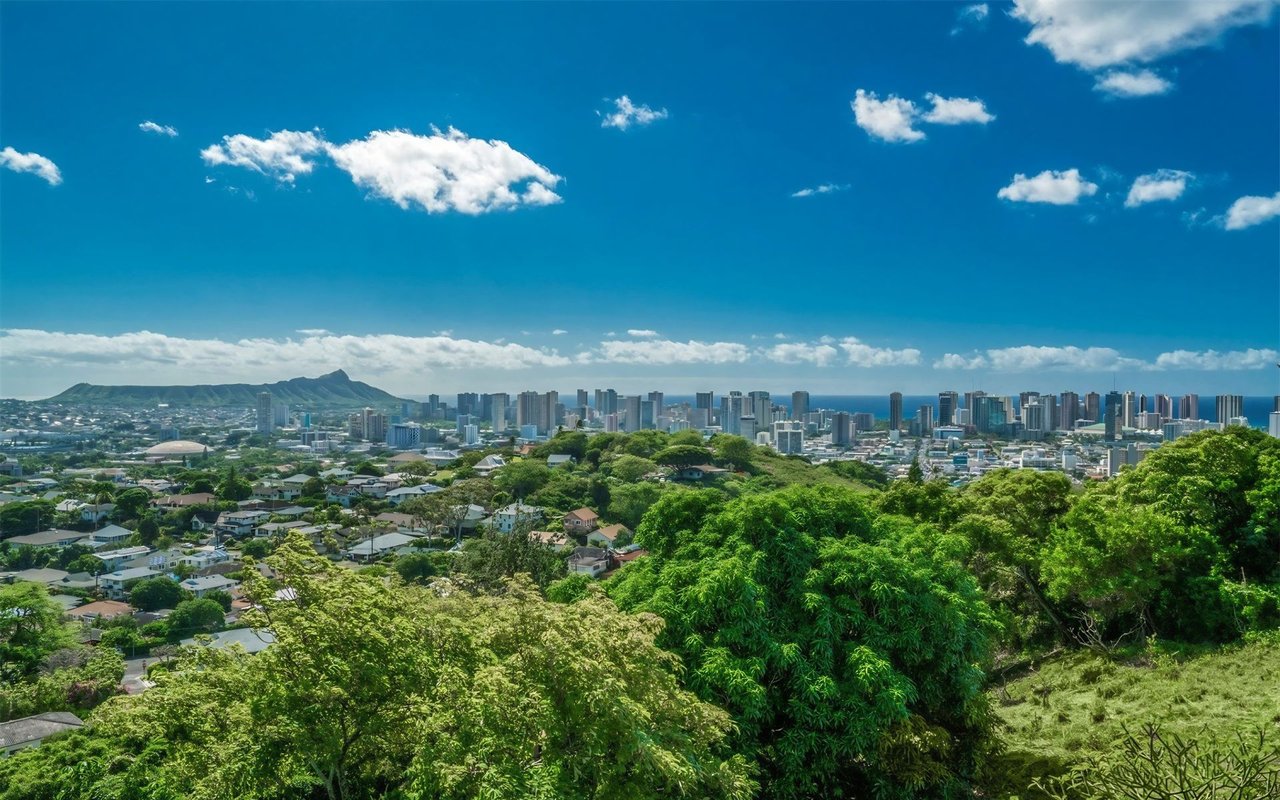
Honolulu is one of the most compelling real estate markets in the United States, and also one of the most nuanced. Island geography limits land supply in ways most mainland markets do not experience, while demand from local residents, military personnel, mainland buyers, and international investors remains durable over time. For investors who understand what makes this market distinctive, the opportunity is real. This guide covers what you need to know before investing in real estate in Honolulu.
Key Takeaways
- Honolulu's constrained land supply and sustained demand have historically supported long-term property value appreciation
- Short-term rental regulations in Hawaii are among the strictest in the country and must be researched before purchasing
- HARPTA and FIRPTA are Hawaii-specific tax considerations every non-resident investor needs to understand
- A 1031 exchange can defer both federal and Hawaii state capital gains taxes for qualifying investors
Why Investors Are Drawn to Honolulu
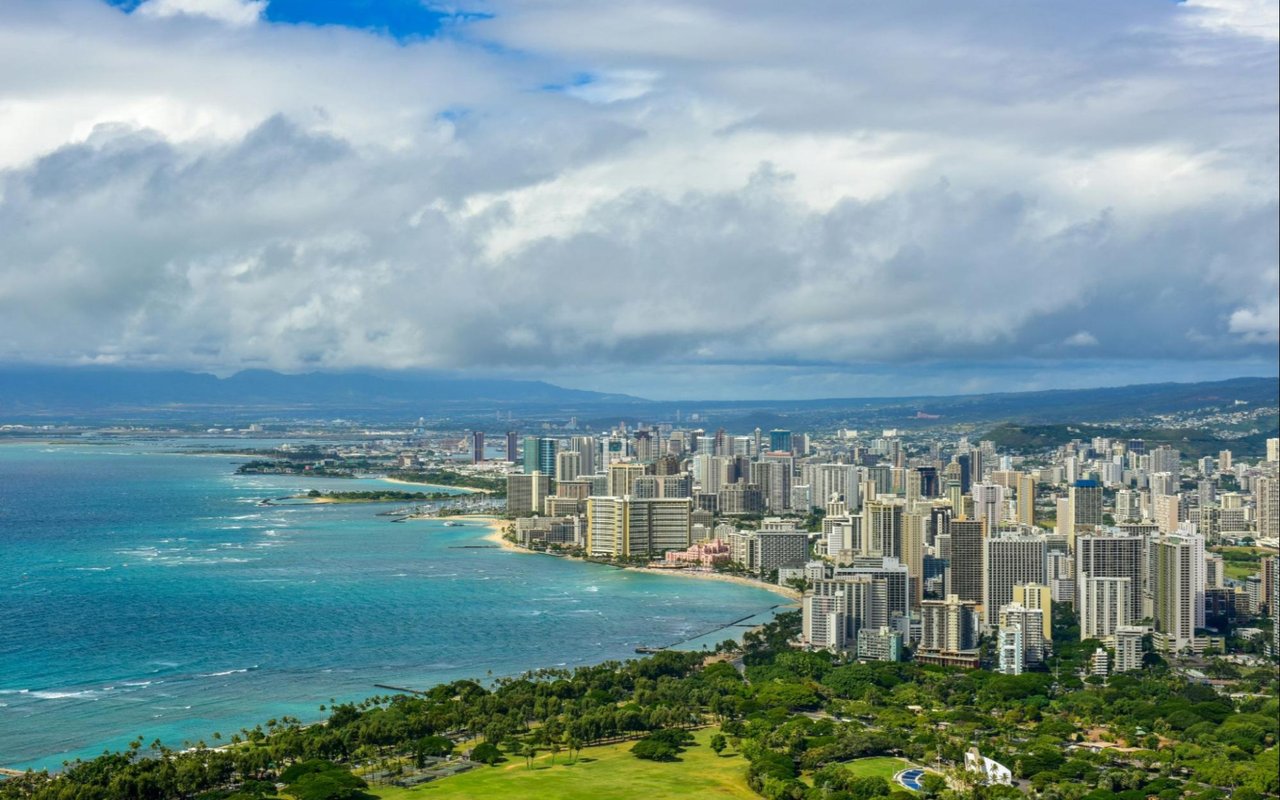
The case for Honolulu real estate begins with a structural reality that sets it apart from most mainland markets — the island of Oahu cannot be expanded. Land is finite, and new construction faces geographic and regulatory constraints that continuously limit supply. Demand comes from a durable mix including local residents, military families stationed at Joint Base Pearl Harbor-Hickam and Marine Corps Base Hawaii, mainland buyers, and international investors.
The military population creates consistent housing needs given the transient nature of service assignments. These overlapping demand drivers give Honolulu a stability that pure leisure markets often lack.
The military population creates consistent housing needs given the transient nature of service assignments. These overlapping demand drivers give Honolulu a stability that pure leisure markets often lack.
What Makes Honolulu Attractive for Investors
- Island geography permanently limits land supply, supporting long-term property value
- Sustained demand from local residents, military families, mainland buyers, and international investors
- A tourism-driven economy that supports year-round rental demand
- Long-term appreciation supported by consistent undersupply relative to demand
Understand the Short-Term Rental Landscape First
One of the most common mistakes investors make in Honolulu is assuming a property can be used as a short-term rental without verifying its legal status. Hawaii counties have some of the strictest short-term rental regulations in the country. Many areas prohibit short-term rentals entirely or require permits that are limited in number and difficult to obtain.
Before purchasing for short-term rental use, verify whether the property has legal vacation rental status and confirm that status transfers to a new owner. Working with a local agent and a Hawaii-licensed attorney is essential.
Before purchasing for short-term rental use, verify whether the property has legal vacation rental status and confirm that status transfers to a new owner. Working with a local agent and a Hawaii-licensed attorney is essential.
What to Confirm Before Purchasing for Short-Term Rental Use
- Whether the property is in a zone that permits short-term rentals
- Whether a legal vacation rental permit exists and is transferable to a new buyer
- Current county enforcement posture and any pending regulatory changes
- Projected income under both short-term and long-term rental use
Know the Tax Considerations Specific to Hawaii
Hawaii has tax rules unique to the state that every investor needs to understand. The most important for non-residents is HARPTA — the Hawaii Real Property Tax Act — which requires a withholding of 7.25% of the sales price when a non-Hawaii resident sells real property in the state. This applies to the full sales price, not just the profit.
For non-U.S. residents, FIRPTA also applies, requiring an additional 15% withholding. Both withholdings can be waived for investors conducting a qualifying 1031 exchange. Hawaii also imposes a state income tax on capital gains at rates that vary by income level, which a properly structured exchange can defer.
For non-U.S. residents, FIRPTA also applies, requiring an additional 15% withholding. Both withholdings can be waived for investors conducting a qualifying 1031 exchange. Hawaii also imposes a state income tax on capital gains at rates that vary by income level, which a properly structured exchange can defer.
Hawaii Tax Considerations Every Investor Should Know
- HARPTA requires 7.25% withholding from the sales price when non-Hawaii residents sell property
- FIRPTA requires an additional 15% withholding for non-U.S. residents selling Hawaii real estate
- Both withholdings may be waived in a qualifying 1031 exchange
- Hawaii imposes state income tax on capital gains, which a 1031 exchange can defer
Use a 1031 Exchange to Defer Capital Gains
For investors looking to defer taxes when selling a Honolulu investment property, a 1031 exchange is one of the most powerful tools available. Under Section 1031 of the Internal Revenue Code, an investor can sell an investment property and reinvest the proceeds into another like-kind investment property, deferring both federal and Hawaii state capital gains taxes. Hawaii fully conforms to federal 1031 rules.
The exchange has strict timelines: 45 days from closing the relinquished property to identify replacements, and 180 days to complete the purchase. A Qualified Intermediary must hold the proceeds since receiving funds directly invalidates the exchange. Like-kind is broadly defined, allowing exchanges between different property types as long as both are held for investment use.
One Hawaii-specific consideration is leasehold property. Hawaii has significant leasehold inventory, and these properties can qualify for a 1031 exchange if at least 30 years remain on the lease. Understanding whether a property is fee simple or leasehold is important due diligence for any Honolulu investment.
The exchange has strict timelines: 45 days from closing the relinquished property to identify replacements, and 180 days to complete the purchase. A Qualified Intermediary must hold the proceeds since receiving funds directly invalidates the exchange. Like-kind is broadly defined, allowing exchanges between different property types as long as both are held for investment use.
One Hawaii-specific consideration is leasehold property. Hawaii has significant leasehold inventory, and these properties can qualify for a 1031 exchange if at least 30 years remain on the lease. Understanding whether a property is fee simple or leasehold is important due diligence for any Honolulu investment.
Key Points About 1031 Exchanges in Honolulu
- Both federal and Hawaii capital gains taxes are deferred in a qualifying exchange
- The 45-day identification and 180-day closing deadlines cannot be extended
- A Qualified Intermediary must hold the exchange funds throughout the process
- Leasehold properties may qualify if 30 or more years remain on the lease
Budget for the True Cost of Ownership
Ownership costs in Honolulu run meaningfully higher than in most mainland markets. Insurance premiums, maintenance expenses, property management fees, and utilities are all elevated by the island's remote location and tropical climate. These costs belong in every investment analysis from the start.
Project all carrying costs against realistic rental income to get a clear picture of actual returns. Optimistic underwriting that underestimates these costs is one of the most common ways investors are disappointed in this market.
Project all carrying costs against realistic rental income to get a clear picture of actual returns. Optimistic underwriting that underestimates these costs is one of the most common ways investors are disappointed in this market.
What to Account for in Every Honolulu Investment Analysis
- Property insurance, which runs higher in Hawaii than most mainland markets
- Property management fees if you are not managing the investment locally
- Maintenance elevated by the tropical climate and salt air
- Property taxes calculated on assessed value with rates that vary by property classification
FAQs
What makes Honolulu a strong real estate investment market?
Honolulu benefits from a permanent constraint on land supply due to island geography, combined with sustained demand from local residents, military families, mainland buyers, and international investors. This has historically supported long-term appreciation and durable rental demand.
What should I know about short-term rentals in Honolulu before investing?
Hawaii counties have strict regulations governing short-term rentals and many areas prohibit them or require permits that are limited and difficult to obtain. Always verify that a property has legal vacation rental status and that this status transfers to a new owner before making an offer.
What is HARPTA and does it affect me as an investor?
If you are not a Hawaii resident, HARPTA requires a withholding of 7.25% of the sales price when you sell real property in Hawaii. This withholding can be waived in a qualifying 1031 exchange. Non-U.S. residents are also subject to FIRPTA, requiring an additional 15% withholding.
Contact Team Hawaii Real Estate Today
Investing in Honolulu real estate rewards those who understand the market and approach it with the right guidance. We bring deep local knowledge to every investor relationship — whether you are purchasing your first Honolulu investment property or adding to an existing portfolio.
Reach out to our team through Team Hawaii Real Estate to connect and get started.
Reach out to our team through Team Hawaii Real Estate to connect and get started.