By Team Hawaii Real Estate
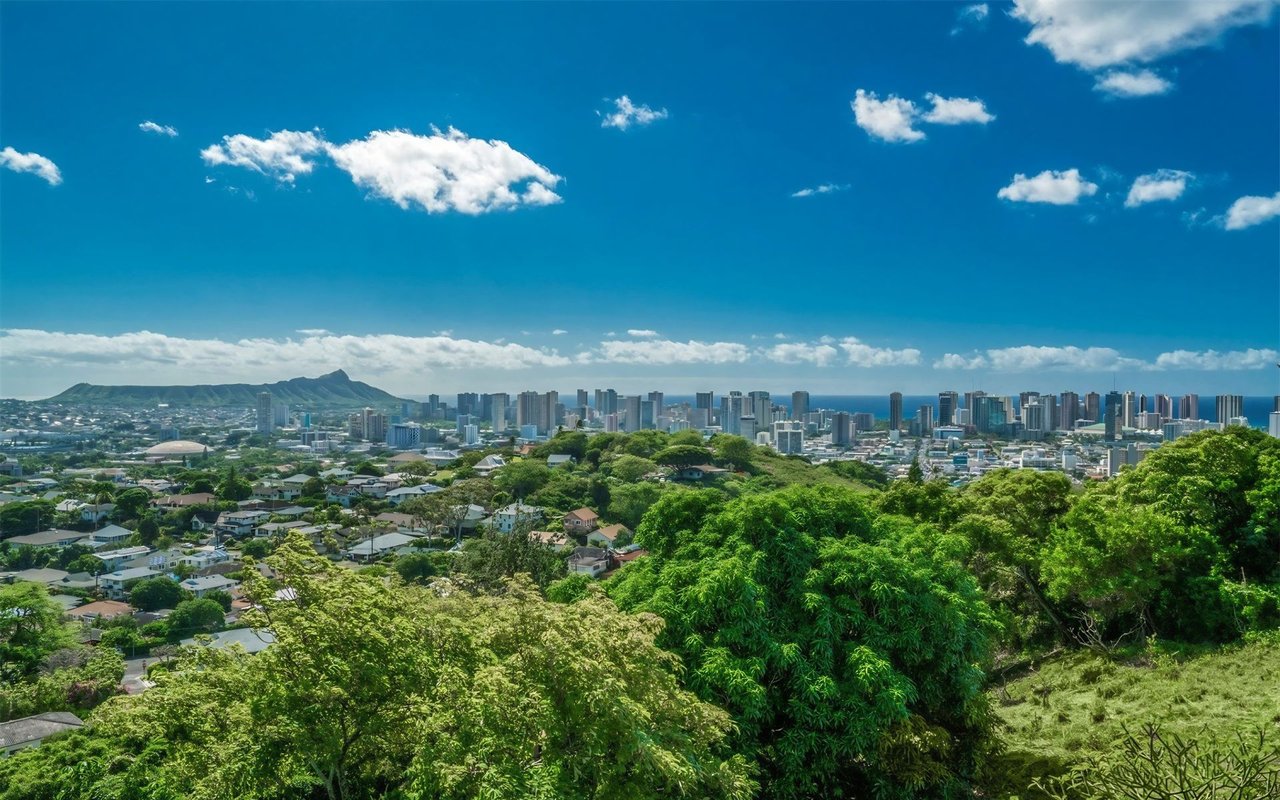
Honolulu is one of the most compelling condo markets in the country for investors. Limited land, steady global demand, a robust tourism economy, and a pipeline of new luxury developments in Kaka'ako and Ala Moana make it a market worth understanding in depth. We work with investors in this market regularly, and those who succeed are the ones who go in with a clear strategy and a solid grasp of how Honolulu's condo rules work. Here is what you need to know before you buy.
Key Takeaways
-
Learn which Honolulu neighborhoods offer the strongest investment fundamentals for high-rise condo buyers and why each one attracts a different investor profile.
-
Discover how Hawaii's short-term rental regulations work and what they mean for investors evaluating rental income potential.
-
Find out the difference between fee simple and leasehold ownership in Hawaii and why it matters significantly for long-term investment value.
-
Understand what HOA fees, special assessments, and building reserves look like in Honolulu high-rise condos and how to evaluate them before you buy.
The Neighborhoods That Define Honolulu High-Rise Investment
Not every Honolulu neighborhood serves the same investment purpose. Where you buy shapes your rental strategy, your buyer pool at resale, and how the property performs over time.
What Each Key Market Offers Investors
-
Kaka'ako and Ward Village are the current center of gravity for new luxury high-rise development, with projects like Anaha, Ae'o, Waiea, and the ongoing Ward Village pipeline drawing buyers who want modern construction, resort-style amenities, and strong long-term appreciation in a walkable urban setting.
-
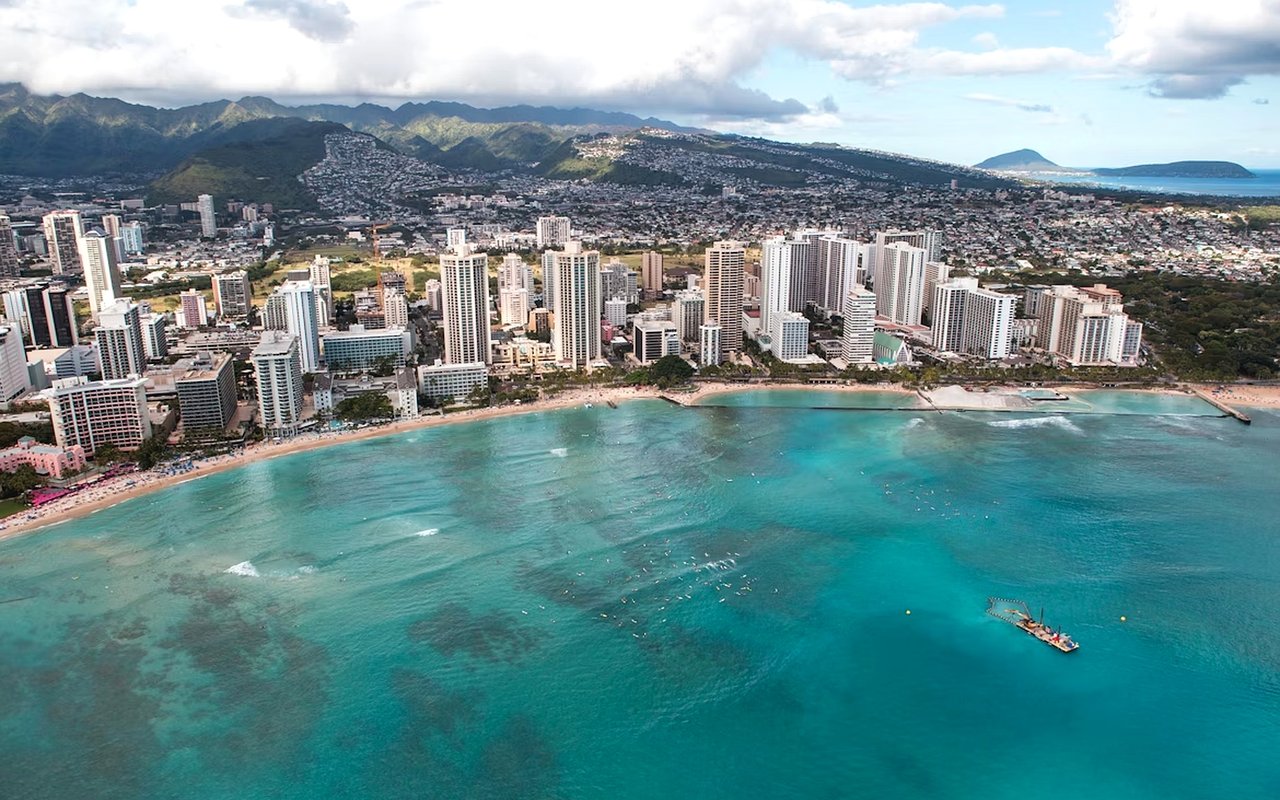
Waikiki remains the strongest neighborhood for investors focused on rental income, with consistent demand from tourists and long-term tenants alike and a concentration of high-rise towers ranging from older buildings with lower entry prices to luxury oceanfront units commanding premium rents.
-
Ala Moana sits between Waikiki and Kaka'ako, offering high-rise living adjacent to Ala Moana Center and Ala Moana Beach Park, with strong appeal to both owner-occupants and investors seeking a central location with lifestyle infrastructure already in place.
-
Downtown Honolulu attracts a different buyer profile: professionals, government workers, and long-term tenants who prioritize proximity to offices and universities over beach access, with entry prices that can offer better cash flow relative to purchase cost than the more prominent tourist corridors.
Each of these neighborhoods has a distinct tenant base and resale pool, and matching your investment strategy to the right location is the first decision worth getting right.
Understanding Hawaii's Short-Term Rental Rules
Hawaii has some of the most specific short-term rental regulations in the country, and investors who do not understand them before buying frequently discover after closing that their intended rental strategy is not permitted.
What Investors Need to Know About STR Regulations
-
Honolulu strictly limits short-term rentals, generally defined as stays under 30 days, to designated areas and buildings with proper permitting in place.
-
Most high-rise condos outside of specifically permitted Waikiki buildings require a minimum 30-day stay for any rental, which effectively means long-term tenants rather than vacation rental income.
-
Even within Waikiki, not every building allows nightly rentals. Confirming the specific building's rental rules before making an offer is not optional for any investor with a short-term rental strategy.
-
Violating short-term rental regulations in Honolulu carries significant fines, and building HOAs increasingly enforce their own restrictions independent of city rules.
Investors who want short-term rental income should identify permitted buildings early in their search rather than assuming any Waikiki or Honolulu address qualifies.
Fee Simple vs. Leasehold: A Critical Distinction
Hawaii has a higher concentration of leasehold properties than almost anywhere else in the United States, and many investors from the mainland are unfamiliar with what leasehold ownership actually means for a condo purchase.
What Every Investor Should Understand About Ownership Type
-
Fee simple ownership means you own the land and the structure outright, which is the standard ownership model in most markets and the type most investors should default to unless they have a specific reason to consider leasehold.
-
Leasehold ownership means you own the unit but lease the underlying land from a landowner, typically for a fixed term that may have decades remaining or may be approaching expiration.
-
As a leasehold expires, the property's value erodes, and financing becomes more difficult to obtain, which affects both your ability to hold the property and your buyer pool at resale.
-
Many leasehold condos carry lower purchase prices that appear attractive to investors, but the discount reflects real structural risk that should be evaluated carefully with a local agent who knows the specific building and lease terms.
For most investors entering the Honolulu market for the first time, fee simple properties are the cleaner and safer starting point.
HOA Fees, Reserves, and Special Assessments
High-rise condo ownership in Honolulu comes with monthly HOA fees that are meaningfully higher than what most mainland investors are accustomed to, and evaluating those fees and the financial health of the building is as important as evaluating the unit itself.
What to Review Before You Buy
-
Monthly HOA fees in Honolulu high-rise buildings range from roughly $400 in older, more modest buildings to over $1,800 in newer luxury towers with premium amenities, and those fees directly affect your monthly cash flow and the property's appeal to future buyers.
-
Request the building's reserve study and financial statements before closing. A building with underfunded reserves is a building where a special assessment, meaning an additional one-time charge to all owners, is more likely.
-
Special assessments in older Honolulu buildings can be substantial, particularly as aging infrastructure, facade repairs, and elevator systems require attention, and they come with little warning.
-
Hurricane insurance requirements in Hawaii add another layer of cost that is not present in most mainland markets, and buildings handle this differently depending on their master policy structure.
A thorough review of a building's financials is one of the most important steps an investor can take before committing to a Honolulu high-rise purchase.
Frequently Asked Questions
Is buying a high-rise condo in Honolulu a good long-term investment?
For investors who choose the right building, understand the costs, and match their strategy to the neighborhood, Honolulu high-rise condos have historically offered solid long-term appreciation supported by limited land supply and consistent global demand. The key variables are ownership type, building financial health, and whether the rental strategy you have in mind is actually permitted in the building you are buying.
Can mainland or international investors buy high-rise condos in Honolulu?
Yes. There are no citizenship or residency restrictions on purchasing real estate in Hawaii. Mainland and international buyers make up a meaningful share of Honolulu condo transactions, particularly in Kaka'ako and Waikiki. Working with a local team who understands the specific nuances of the Honolulu market is important for out-of-state buyers evaluating buildings and neighborhoods remotely.
What is the best Honolulu neighborhood for a first high-rise condo investment?
It depends on your strategy. Waikiki offers the most flexibility for rental income and has the broadest resale market. Kaka'ako and Ward Village offer the strongest new construction and long-term appreciation story. Ala Moana sits in the middle on both dimensions. We help investors think through which neighborhood aligns with their specific goals before they start evaluating individual buildings.
Contact Team Hawaii Real Estate Today
Buying a high-rise condo in Honolulu as an investment requires local knowledge that goes well beyond what a general real estate search provides. We know these buildings, these neighborhoods, and the specific questions worth asking before you make an offer, from leasehold risk to rental permit status to building reserve health.
When you are ready to explore Honolulu high-rise condos as an investment, contact Team Hawaii Real Estate and we’ll find the right building for your goals.
When you are ready to explore Honolulu high-rise condos as an investment, contact Team Hawaii Real Estate and we’ll find the right building for your goals.