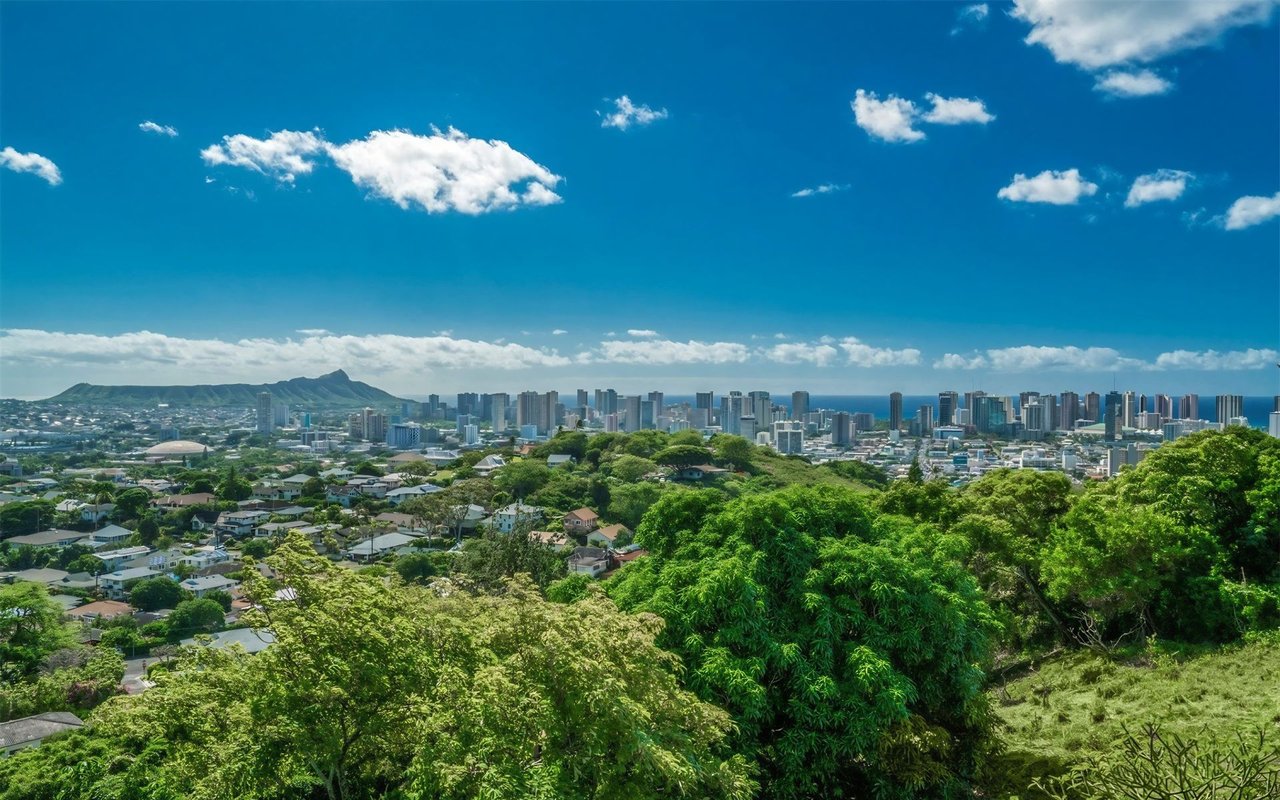
Whether you're relocating for work, retirement, military orders, or simply a change of pace, buying a home in the Islands is an exciting opportunity. But living in Hawaiʻi comes with unique considerations that many newcomers don't fully understand until after they've arrived.
Here are 10 things every buyer should know before making the move to Oʻahu.
1. Life Moves at a Different Pace
You've probably heard the phrase "island time." While it doesn't mean everything moves slowly, life in Hawaiʻi often places a greater emphasis on relationships, community, and balance.
Patience and flexibility go a long way, whether you're scheduling home repairs, waiting on deliveries, or simply settling into a new routine.
2. The Cost of Living May Surprise You
Housing is only one piece of the puzzle.
Many everyday expenses, including groceries, utilities, dining out, and transportation, can be higher than on the mainland due to shipping costs and Hawaiʻi's island geography.
When budgeting for your move, consider your total monthly expenses, not just your mortgage payment.
3. HOA Fees Can Be Significant
Many condominiums and planned communities include homeowners association (HOA) fees.
These monthly fees often cover amenities, exterior maintenance, building insurance, landscaping, security, water, and other shared expenses.
While higher HOA fees may seem surprising, they often reflect the services and maintenance included with the property. Be sure to understand what is, and isn't, covered before purchasing.
4. Hurricane Preparedness Is Part of Island Living
Hawaiʻi's hurricane season runs from June through November, although major storms remain relatively uncommon.
Homeowners should have an emergency preparedness plan, maintain basic emergency supplies, and understand their insurance coverage. Being prepared provides peace of mind throughout the year.
5. Flood Zones Matter
Not every property is located within a flood zone, but it's an important factor to consider during your home search.
Flood zone designations can influence insurance requirements, building regulations, and future costs. Reviewing flood maps and understanding any insurance implications should be part of your due diligence.
6. Respecting Local Culture Matters
Moving to Hawaiʻi means becoming part of a unique community with deep cultural roots and traditions.
Taking time to learn about local customs, respecting the history of the Islands, supporting local businesses, and caring for the land all help newcomers become thoughtful members of the community.
Living in Hawaiʻi isn't just about where you live, it's about how you live.
7. Every Neighborhood Has Its Own Personality
Oʻahu offers an incredible variety of communities, each with its own lifestyle and character.
Some buyers prioritize walkability and urban conveniences, while others prefer quieter residential neighborhoods or homes closer to the ocean. Choosing the right location is just as important as choosing the right home.
8. Home Insurance Can Be Different
Insurance costs vary depending on factors such as location, property type, age of the home, and potential exposure to natural hazards.
Understanding insurance requirements early in the buying process helps avoid surprises later.
9. Hawaiʻi Real Estate Is Different
From leasehold versus fee simple ownership to condominium association documents, reserve studies, and local disclosure requirements, Hawaiʻi real estate includes details that many mainland buyers have never encountered.
Working with professionals who understand these nuances can make the process significantly smoother.
10. Local Expertise Makes All the Difference
Buying a home from thousands of miles away can feel overwhelming.
A knowledgeable local real estate professional can help you understand neighborhoods, explain Hawaiʻi-specific ownership structures, connect you with trusted local resources, and guide you through every step of the buying process.
The more informed you are before you move, the more confident you'll feel when it's time to make one of life's biggest decisions.
The Bottom Line
Relocating to Hawaiʻi is about more than finding a beautiful home, it's about understanding the lifestyle, costs, and unique aspects of living in the Islands.
With the right guidance and local expertise, you can make a well-informed decision and enjoy a smoother transition to your new home.
At Hawaiʻi Modern Realty, we're here to help you navigate every step of your move with local knowledge, trusted advice, and personalized service.
-
Frequently Asked Questions
Is moving to Hawaiʻi expensive?
The cost of living in Hawaiʻi is generally higher than many parts of the mainland. Housing, groceries, utilities, and transportation should all be factored into your relocation budget.
What surprises people after moving?
Many newcomers are surprised by HOA fees, shipping times, the cost of everyday goods, and the importance of understanding flood zones, insurance, and local customs before purchasing a home.
Can non-residents buy property in Hawaiʻi?
Yes. There are no residency requirements to purchase residential real estate in Hawaiʻi, although buyers should understand the financial, tax, and ownership considerations that may apply to their situation.
How much does it cost to live on Oʻahu?
The answer depends on your lifestyle, location, and housing costs. Beyond your mortgage or rent, it's important to budget for utilities, groceries, transportation, HOA fees (if applicable), insurance, and other day-to-day expenses.